The Symposium
Ancient Roots, Modern Relevance
By Esoteric.Love
Imagine a time before the internet, before the printing press, when knowledge was passed down through stories and oral traditions. Information could be easily distorted or misinterpreted. In this environment, symposiums emerged as crucial spaces for truth-seeking. Scholars, philosophers, and citizens would gather, sharing their knowledge and engaging in lively debates. This collaborative process allowed them to sift through perspectives, challenge assumptions, and arrive at a more nuanced understanding of the world.
Why This Matters
The symposium was not a lecture. It was not a conference. It was a space where equals sat together — often over wine — and wrestled with the questions that mattered most. What is truth? What is justice? What do we owe each other? The format demanded participation, not passive consumption. It rewarded curiosity and intellectual courage.
In an age of algorithmic feeds and polarised discourse, the symposium's model feels almost radical. Face-to-face. No characters limit. No likes or shares. Just people thinking together, allowing ideas to collide and refine each other in real time. The ancient Greeks understood something we are only now rediscovering: that the deepest insights emerge not from isolated genius, but from the friction of genuine dialogue.
Esoteric.Love revives this tradition. Every topic on our platform includes symposium discussion questions — designed to be printed, brought to a table, and talked through over wine. Our Chapters are the communities that host these gatherings. The questions are the spark. The conversation is the point.
The Ancient Tradition
Uncovering Hidden Truths
Ancient Greek symposiums served as incubators for intellectual curiosity, where philosophers, artists, and thinkers gathered to challenge dominant ideologies and share revolutionary ideas. These informal yet structured dialogues encouraged participants to question societal norms, promoting a culture of intellectual bravery. By fostering this collective pursuit of knowledge, symposiums dismantled barriers that often stifled unconventional thought.
This open dialogue resonates in modern efforts to rediscover lost knowledge or challenge manipulated narratives. In today's information landscape, the symposium's ethos inspires critical thinking and collaborative truth-seeking. As in antiquity, questioning narratives and embracing intellectual diversity remain crucial tools for understanding complex realities.
An Incubator for Intellectual Curiosity
The ancient Greek symposium, more than a mere social gathering, functioned as a crucible for intellectual exploration. This spirit of open inquiry is exemplified in Plato's "Symposium", a text that mirrors the layered complexity of such gatherings through its intricate narrative structure. By employing a "story within a story within a story," Plato creates a multi-layered dialogue, mirroring the diverse perspectives and nested timelines that would have characterised an actual symposium.
This deliberate literary device, moving through speeches from Socrates, Aristophanes, and others, demonstrates how the symposium served as an incubator where philosophical musings and personal anecdotes intertwined to dismantle barriers to unconventional thought. Just as the ancient symposium encouraged participants to question societal norms, modern forums must foster critical thinking and collaborative truth-seeking.
Fact or Philosophy?
The Greek symposium exemplified a delicate balance between abstract philosophy and empirical understanding — in other words, what we now call science. Participants explored metaphysical questions while grounding their discussions in observable realities, avoiding the rigidity of absolute truths. This duality allowed them to embrace both scepticism and open-mindedness, forming a nuanced approach to truth.
The ancient Greek symposium embraced the concept of aletheia, or unhiddenness, as a dynamic and unfiltered truth. This allowed participants to explore metaphysical questions while remaining grounded in observable realities, fostering a nuanced approach that balanced scepticism with open-mindedness. This stands in contrast to Plato's reinterpretation of truth as orthotes, a move towards a more subjective understanding rooted in human perception.
Echoes in a World of Misinformation
Symposiums were vital spaces for discerning truths in an era of limited documentation and oral traditions. The format encouraged debate, requiring participants to weigh arguments critically rather than accepting ideas at face value. This method of collective discernment ensured that diverse perspectives informed their understanding of truth.
In our digital age, where misinformation spreads rapidly, the symposium's fundamental principles offer a timeless antidote. It reminds us that access to reliable data is insufficient; we require spaces for respectful dialogue where diverse viewpoints are valued and assumptions are challenged. Symposium-inspired dialogue serves as a bridge between ancient wisdom and modern necessity.
Wine-Fuelled Wisdom
More than just a drinking party, the symposium was a carefully orchestrated social ritual involving reclining on couches, drinking wine from elaborately decorated vessels, and engaging in conversation and entertainment. The convivial atmosphere, often fuelled by wine and music, encouraged a relaxed yet profound exchange of ideas. Free from the rigid hierarchies of formal settings, participants could explore unconventional thoughts and challenge prevailing assumptions.
The Symposiarch — the host — orchestrated the evening, choosing the wine strength and managing the guest list. The vessels, often adorned with intricate artwork, were not only functional but also conversation starters, with images reflecting Greek myths, heroic feats, and even humorous themes. This blend of levity and intellectual engagement demonstrates that truth-seeking can be a joyful and connective experience.
From Esoteric to Essential
Symposiums served as bridges between the esoteric and the practical, turning abstract musings into actionable insights. Thinkers delved into mysteries of the cosmos and human existence, connecting these ideas to everyday life and governance. This synthesis made the symposium a cornerstone for integrating philosophy into the fabric of society.
Similarly, Esoteric.Love aims to emulate this ancient tradition in a modernised form. With the benefit of abundant information and artificial intelligence, we can collate unconventional knowledge into frameworks for contemporary challenges. Whether through rediscovering ancient practices or rethinking societal norms, the symposium's legacy underscores the importance of blending diverse perspectives to inspire progress.
Human Connection in a Technological World
At the heart of the symposium was a commitment to in-person dialogue, emphasising human connection in shared intellectual pursuits. These gatherings were more than academic exercises; they were deeply personal, with participants forming bonds through the exchange of ideas and mutual respect.
In a world increasingly shaped by digital algorithms, the symposium's focus on face-to-face interaction offers a powerful reminder of the value of human connection. It challenges us to prioritise meaningful dialogue and relationships over virtual convenience, ensuring that the pursuit of knowledge remains anchored in empathy and shared humanity.
Guardians of Dialogue
The symposium thrived on the principles of open-mindedness and rigorous debate, where conflicting ideas could coexist without descending into hostility. This practice of respectful dialogue was instrumental in challenging dogma and uncovering deeper truths.
In an era marked by polarisation and misinformation, the symposium's ethos is more important than ever. By fostering spaces where diverse perspectives are valued and debate remains respectful, we can counter manipulated narratives and build a culture of shared understanding rooted in collective exploration.


How to Host a Symposium
Everything you need to organise your own gathering. Our role is to facilitate, not dictate, the conversation.
Pick a Topic
Choose a topic from Esoteric.Love that sparks curiosity and invites debate. Your symposium should be themed around the group's most common interests. Introduce the topic with a 10-minute opening presentation, followed by the guided discussion questions from the topic's Symposium tab.
Choose Your Venue
Select somewhere quiet and focused. Private or semi-private spaces work best — library rooms, boutique event spaces, members-only lounges. Good acoustics, minimal background noise, no distracting screens. For deeper immersion, consider subtle ambient sound during breaks — Tibetan bowls, 432Hz tones.
Seating
Circle seating for intimate discussions. U-shape or round tables for more structured debate. Theatre-style for larger presentations with Q&A. The arrangement sets the tone — choose deliberately.
Appoint a Symposiarch
Every symposium needs a moderator — the Symposiarch. Their role is to guide the conversation, prevent dominance by a few voices, ensure inclusivity, and keep things moving. Our role is to facilitate, not dictate, the conversation.
Pre-Symposium Preparation
Encourage all attendees to read the topic page beforehand. Esoteric knowledge is not hidden — it simply requires effort and time to understand deeply. Share the topic link and remind participants of the symposium's goals. Just like any meeting, preparation is key for meaningful discussion.
Wine or Not?
If the symposium is a casual discussion to foster social bonding — yes to wine. If the goal is deep intellectual discussion where clarity of thought is needed — perhaps not. Alternatives: herbal teas, ceremonial cacao, or non-alcoholic elixirs can align with esoteric themes while maintaining a conscious atmosphere.
Time & Documentation
1.5 to 2 hours is ideal, with breaks for informal networking. Capture insights for future content — notes, video summary, or podcast. These become valuable records of your chapter's intellectual journey.
Print the Discussion Guide
Every topic on Esoteric.Love has a Symposium tab with 8 discussion questions designed to be read aloud at a table. Print them as your discussion guide — the print button on each topic page generates a clean PDF with the questions and instructions.
Final Checklist




The Feynman Technique
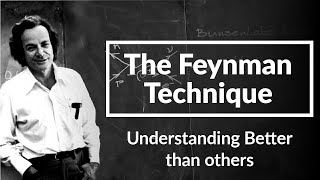
Named after Nobel physicist Richard Feynman, this learning method is the intellectual engine behind every good symposium conversation.
Richard Feynman believed that if you couldn't explain something simply, you didn't truly understand it. The Feynman Technique distils this insight into a four-step process that turns passive reading into deep comprehension — and it maps perfectly onto the symposium format.
Study the topic
Read the article on Esoteric.Love. Take notes. Absorb the material as deeply as you can before the gathering.
Teach it to someone
At the symposium, explain what you've learned in plain language. No jargon, no hiding behind complexity. If you can't say it simply, you haven't understood it yet.
Identify the gaps
When you stumble — when the explanation breaks down or a question catches you off guard — you've found the edges of your understanding. These gaps are gold.
Simplify and repeat
Go back to the source material. Fill the gaps. Then explain it again, more clearly. Each cycle deepens your grasp of the subject.
The symposium is the Feynman Technique in its most natural form. You read. You discuss. You discover what you don't know. You go deeper. The ancient Greeks didn't call it the Feynman Technique — but they were doing exactly this, over wine, for centuries.


References
Curated sources, primary texts, and further reading on the ancient symposium tradition.
| Type | Title | Description | Link |
|---|---|---|---|
| Journal | The Symposium in Ancient Greek Society Akmenkalns J, Sneed D, 2018 | Scholarly examination of the symposium as a political, cultural, and philosophical institution — covering ritual, poetry, eros, and civic identity. | Open ↗ |
| Journal | Aspects of the Ancient Greek Symposium Henderson WJ, 2014 | Analysis of the customs, music, games, and social dynamics that defined the Greek symposium — including the role of wine, women, and rhetoric. | Open ↗ |
| Book | Sympotica: A Symposium on the Symposium Murray O, 1994 | Landmark Oxford collection of essays exploring the symposium across Greek culture — poetry, philosophy, politics, and the social world of the ancient drinking party. | Open ↗ |
| Book | Athenaeus: The Learned Banqueters Olson SD, 2007 | A fictional banquet in which scholars debate food, drink, music, and philosophy. One of the most detailed records of symposium culture to survive antiquity. | Open ↗ |
| Primary Source | Symposium — Plato Plato (trans. Griffith T), 380 BCE | The definitive philosophical text on the symposium. Plato's account of a drinking party where Socrates, Aristophanes, and others debate the nature of love and beauty. | Open ↗ |
| Book | The Politics of Greek Tragedy Carter DM, 2008 | Explores how Greek theatre, ritual, and the symposium intersected with democratic politics — how Athenians used communal gatherings to shape civic values. | Open ↗ |