The Past · Antediluvian
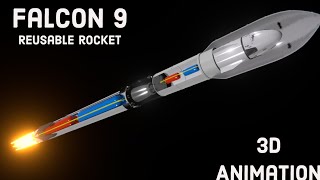
Elon Musk flew home from Moscow in 2002 without a deal. Somewhere over the Atlantic, he decided to build the rockets himself. Most people would have called that delusional. He called it first principles.
SpaceX did not improve the rocket industry. It replaced the political economy of space exploration with a product roadmap owned by one man. That shift happened fast enough that most democratic institutions never had time to object. We are now living inside the consequences. What Does It Mean When One Company Owns the Sky?
Epistemology Score
Source Confidence
Connect
Join The Dots
"You can't connect the dots looking forward; you can only connect them looking backwards."— Steve Jobs, Stanford 2005
Watch
Video Vault
Discuss
Symposium Questions
SpaceX replaced governments as the gatekeepers of space — when a single entrepreneur controls access to orbit, who actually owns humanity's future among the stars?
Musk reasoned from 'first principles' and decided to build rockets himself after a bad meeting — what does it mean that the course of civilization can hinge on a botched negotiation?
For all of human history, looking up at the stars was a shared act — what do we lose when 'let's go to Mars' becomes a product roadmap owned by one company?
SpaceX's culture treats bureaucracy as the enemy of progress — but bureaucracy often exists to protect people. Where is that line, and who gets to draw it?
A rocket landing itself upright on a drone ship feels like a hinge in history — why do some technological moments feel sacred, and what does that reveal about our relationship with progress?
The Sumerians, the Polynesians, the Maya — humans have always reached toward the heavens. Is SpaceX the culmination of that ancient impulse, or its commercial corruption?
SpaceX succeeded by being 'recklessly young and inexperienced' where established institutions had calcified — what does that tell us about how civilisations lose the ability to do hard things?
Space was once a sovereign act — nations went, governments decided why. Now it's private. Can something as vast as the cosmos belong to anyone, and what happens if it does?
References